

Table of Contents
- What Makes Black Owned Home Decor Brands Stand Out in 2026
- Modern African Home Decor: Statement Pieces That Transform Your Space
- Ethically Sourced Home Decor: How to Spot Authentic Craftsmanship
- How to Style African-Inspired Decor in Any Room
- Budget-Friendly vs. Investment Pieces: What to Buy First
- Shipping, Accessibility, and What to Know Before You Order
- Conclusion
- Frequently Asked Questions
Last Updated: September 28, 2026
What Makes Black Owned Home Decor Brands Stand Out in 2026
The best black owned home decor brands 2026 offer something mass-market retailers can't: pieces with a story, made by artisans whose names and traditions you can actually trace. This guide breaks down where to shop, what to buy first, and how to style it all without turning your home into a showroom.
Modern African Home Decor: Statement Pieces That Transform Your Space
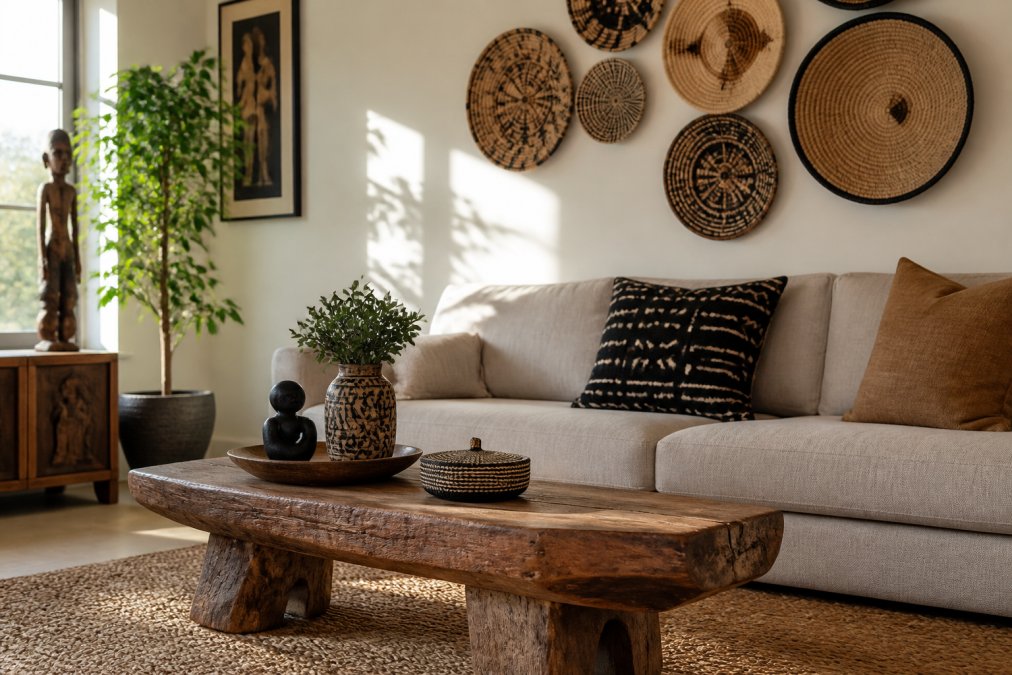
Modern African home decor works best when you treat it as a curated collection rather than a theme. Start with one or two anchor pieces, then build around them with neutral basics you already own.
Furniture and Statement Pieces
Statement furniture is where handcrafted work earns its keep. Look for solid wood pieces, carved stools, and sculptural side tables with visible joinery. These age well and anchor a room.
Textiles and Soft Goods
Textile design is the fastest way to add warmth and cultural narrative without a full home renovation. Mudcloth throws, woven baskets, and hand-dyed cushions add texture to a living space in minutes.
Art and Wall Decor
Art and wall decor turn a house into a home with a point of view. Prints, woven hangings, and carved pieces work as functional art that also fills empty wall space.
Ethically Sourced Home Decor: How to Spot Authentic Craftsmanship
Ethically sourced home decor means the maker was paid fairly, the materials were obtained responsibly, and the process didn't cut corners. Authenticity shows up in the details, not the marketing copy.
| What to Check | Red Flag | What Good Looks Like |
|---|---|---|
| Maker transparency | No artisan or region named | Artisan or region credited on page |
| Materials | Vague "premium" claims | Specific materials listed |
| Story | Generic "African-inspired" label | Named tradition or technique |
| Production | No batch info | Small-batch or handmade noted |
Supporting Small Businesses and Artisan Communities
Supporting small businesses keeps money in artisan communities rather than in anonymous supply chains. Ask whether a shop works directly with makers or sources through layers of middlemen.
Sustainable Materials and Ethical Manufacturing
Sustainable sourcing covers everything from natural dyes to reclaimed wood. When a brand can explain where its materials come from, that transparency usually signals ethical manufacturing throughout.
How to Style African-Inspired Decor in Any Room
How to style African-inspired decor comes down to one rule: mix, don't match. The goal is a living space that feels personal and modern, not a museum display. But the practical question most guides skip is which aesthetic you're actually shopping for, because a carved stool reads completely differently in a minimalist apartment than in a maximalist den.
Matching Decor to Your Interior Design Style
Interior design style matching is the step most shoppers skip. A carved stool fits a maximalist room and a minimalist one, but it needs different neighbors in each. Use this as a filter before you browse:
- Minimalist: one sculptural piece, muted textiles, lots of negative space. Lean toward undyed or naturally finished wood, single-color ceramics, and one large woven wall hanging instead of a gallery wall.
- Maximalist: layered patterns, mixed textures, bold wall art. This is where mudcloth, kente-inspired weaves, and mixed-print cushions earn their keep, the more deliberate the clash, the better.
- Mid-century modern: clean lines, tapered legs, warm woods, and one statement textile. A hand-carved side table or a sculptural wooden stool sits naturally next to a low-profile sofa.
- Bohemian: natural fibers, floor cushions, layered rugs, and hanging textiles. Woven baskets and hand-dyed throws do most of the work here.
- Traditional: warm woods, woven goods, heritage-inspired art, and symmetrical arrangements. Pair a carved accent chair with classic upholstery rather than replacing the whole room.
Room-by-Room Starting Points
- Living room: anchor with one textile (a throw or cushion set) and one wall piece. Resist adding a third pattern until the first two feel settled.
- Bedroom: a hand-dyed duvet cover or mudcloth-inspired sham set does more than a full furniture swap, and it's the lowest-commitment way to test a bolder palette.
- Dining room: a woven table runner, hand-thrown serving bowls, and one carved centerpiece. Functional pieces double as decor here.
- Entryway: a woven basket for keys and mail, plus one small carved or ceramic object. This is the cheapest room to style and the one guests notice first.
A Note on Scale and Proportion
The single most common styling mistake is buying decor that's too small for the wall or table it sits on. A 12-inch woven hanging disappears on a 9-foot wall; a single oversized piece usually costs less than three small ones and reads as more intentional. Measure the wall or surface first, then shop to that number.
Budget-Friendly vs. Investment Pieces: What to Buy First
Buy investment pieces first for anything you touch daily, and budget-friendly pieces for everything decorative. That split keeps your home looking considered without draining your wallet. The problem is that most lists mix price points randomly, so you can't tell whether a $40 cushion and a $900 chair are meant to sit in the same budget.
The Three Tiers
- Entry tier (under roughly $75): cushions, throws, small ceramics, woven baskets, table runners, candle holders, and small prints. These are the pieces you can swap seasonally without regret.
- Mid tier (roughly $75-$400): larger textiles, framed art, table lamps, accent stools, serving pieces, and small side tables. This is where most shoppers do the bulk of their buying.
- Investment tier (roughly $400 and up): sofas, dining tables, large rugs, statement chairs, and oversized original art. These are the pieces you keep for a decade or more.
Pricing varies by maker, materials, and whether a piece is made to order, so always check the brand's site for current figures rather than relying on a list.
What to Buy First, In Order
- One textile you'll use daily, a throw or a set of cushion covers. Lowest cost, highest visual impact, and it tells you whether you like living with pattern.
- One piece of wall art, sized to the wall, not to your budget. A single large print usually outperforms a cluster of small ones.
- One functional accent, a woven basket, a serving bowl, a tray. These get used, so they earn their place.
- One investment anchor, a chair, a side table, or a rug. Buy this last, once you know what the room actually needs.
Where to Save and Where to Spend
- Save on: anything seasonal, anything you'll want to rotate, and anything in a room you're still figuring out.
- Spend on: seating, rugs, dining tables, and large art. These set the room's proportions and are expensive to replace.
- Skip entirely: matching sets. Buying a coordinated collection is the fastest way to make a room look like a catalog page rather than a home.
Phasing Your Purchases
Most people can't furnish a room in one order, and they shouldn't try. A common pattern is to buy one piece per month across the tiers: a textile in month one, art in month two, a functional accent in month three, and the investment anchor once the smaller pieces have settled into place. This spreads the cost and prevents the over-buying that happens when everything arrives at once.
Shipping, Accessibility, and What to Know Before You Order
Shipping and accessibility logistics are where small-batch production meets real-world friction. Handmade pieces often ship from smaller studios, so timelines and costs vary more than at big-box retailers.
Before you order, confirm:
- Estimated dispatch and delivery windows
- Return policy for decor and textiles
- Whether large furniture ships flat or assembled
- Shipping costs for oversized items
Conclusion
Building a home around Black owned decor takes patience, and the payoff is a living space that actually means something. Blackandproudclub curates African-inspired jewelry, fashion, and home decor alongside wellness essentials like black castor oil and soap, so you can celebrate cultural identity in every room. Explore the collection and find pieces that honor craftsmanship, heritage, and your own sense of style.
Frequently Asked Questions
What are some Black-owned brands of home decor?
Black-owned home decor brands range from small-batch artisan studios to lifestyle retailers like Blackandproudclub. You will find handcrafted furniture, textiles, ceramics, and wall art that reflect African heritage and modern design. Look for brands that share their sourcing stories and work directly with artisan communities. Many offer statement pieces, functional art, and home accessories that add cultural narrative to your living space. Checking a brand's about page and social media helps confirm its commitment to ethical manufacturing and design community support.
How do I style African-inspired decor without making my home feel like a theme?
Start with one or two focal points, like a handcrafted vase or a textile wall hanging, and build around them with neutral furniture. Mix modern African home decor with your existing pieces to create balance. Use texture and color from artisan-made items as accents rather than covering every surface. Layering a woven basket with a sleek lamp or pairing a mudcloth pillow with linen bedding keeps the look design-forward and lived-in, not costumey. Rotate pieces seasonally to keep your living space feeling fresh.
How can I tell if home decor is ethically sourced?
Look for transparency about materials, production methods, and artisan partnerships. Ethically sourced home decor brands often share founder stories, name the communities they work with, and explain how small-batch production supports fair wages. Certifications like Fair Trade or B Corp are helpful but not required. If a brand cannot answer basic questions about where its products come from, that is a red flag. Blackandproudclub, for example, focuses on culturally rich pieces and invites customers to explore the stories behind each collection.
Why is it important to support Black-owned home decor businesses?
Supporting Black-owned home decor businesses keeps money circulating in communities that have historically had less access to retail investment. It also preserves craft traditions, from textile design to woodworking, that might otherwise fade. When you buy from these brands, you help create demand for ethically sourced home decor and small-batch production. That demand supports artisans, designers, and founders who bring cultural narrative into modern decor. The result is a more diverse design community and a home that reflects your values.
Finding decor that reflects your heritage without compromising on quality or ethics shouldn't be a scavenger hunt. Blackandproudclub brings together African-inspired home decor, jewelry, and wellness essentials in one curated place, with a focus on meaningful pieces that celebrate Black culture. Browse the collection and start with one piece that speaks to you.